Don Philabaum is a four-time startup founder in higher education, NIL career strategy thought leader, and conversational AI expert
For 99% of student-athletes, the real value of NIL isn’t the paycheck. It’s the playbook for your future.
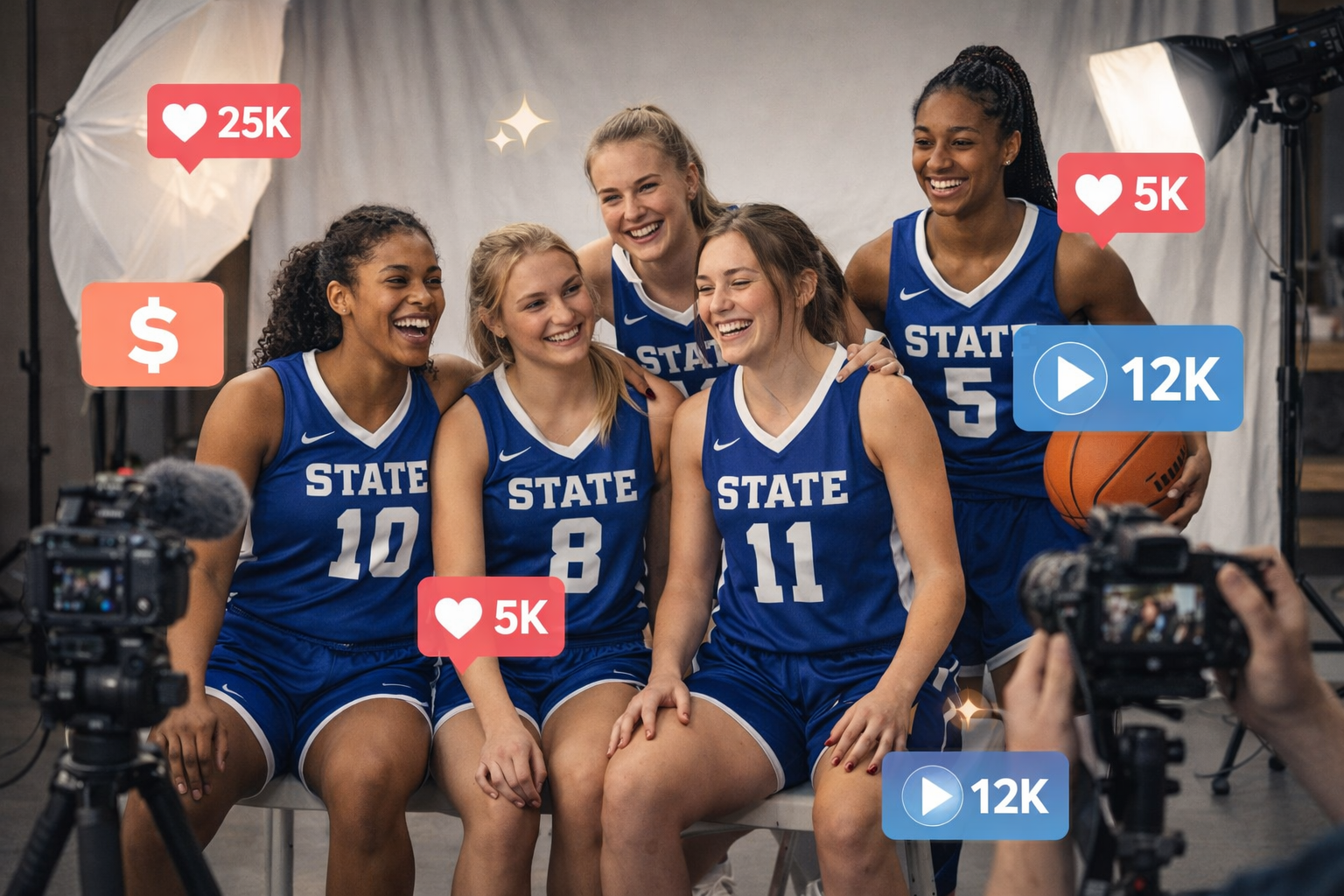
If you’re a student-athlete, you’ve been inundated with headlines about NIL (Name, Image, and Likeness) for the past few years. You’ve seen the stories: the million-dollar quarterback, the six-figure sponsorship for a star basketball player. It’s an exciting time, filled with new opportunities.
But let’s talk reality.
If you’re a wrestler, a starting pitcher, a track and field athlete, or a lacrosse midfielder, you also know that those multi-million-dollar deals are not the norm. For the vast majority of student-athletes, especially those in sports that don’t command massive ticket sales, the NIL landscape looks very different. It might look like a few hundred dollars for a social media post, a free product, or maybe just… crickets.
It can be discouraging. You put in the same 20+ hours a week, you sacrifice, you grind, and you compete. And it’s easy to look at the hype and feel like you’re being left behind. I’m here to tell you to stop. Take a deep breath and let’s reframe this entire conversation.
The NIL industry is not going to shower thousands of dollars on most of you. And that is perfectly okay.
Why? Because your “eye on the prize” shouldn’t be a $500 social media post. It should be a $70,000+ salary two years from now.
The Real Prize: The Long Game
The “NIL Era” has been misunderstood. For 99% of student-athletes, NIL is not a get-rich-quick opportunity. It is a get-experience-quick opportunity. It’s the single greatest gift you’ve been given to build a professional resume that makes you the most sought-after candidate in your graduating class.
Your real goal isn’t to be a college influencer. Your real goal is to have a fantastic, high-paying job secured by the day you walk across the graduation stage. And NIL is your incubator to make that happen.
“A Toe in the Game” Beats a Big Check
You don’t need a $100,000 contract. You just need a toe in the game. You need to use the permission that NIL grants you to become an entrepreneur.
Let’s use a simple example. Forget chasing brands for a one-off post. What if you decided to build your own brand and sell a small batch of merchandise? Maybe it’s 100 t-shirts, 50 hats, or even a digital workout plan.
Most athletes will say, “That’s too much work for a few hundred bucks.”
They are missing the point entirely.
The value isn’t the profit. The value is the process. When you decide to sell 100 t-shirts, you are forced to learn the fundamentals of business, end-to-end.
Think about what you’re really doing:
- Brand Development: You have to decide who you are and what you stand for.
- Product Sourcing: You have to research vendors, get quotes, and manage profit margins.
- Audience Building: You can’t just post “buy my shirt.” You have to build a community and an audience that wants to support you.
- Content Creation: You have to create engaging content (videos, posts, stories) to keep that audience interested.
- Financial Management: You have to set up a way to get paid, track your revenue, and manage your (small) expenses.
- Customer Service: What happens when someone orders the wrong size? You have to solve that problem.
You have just learned, in a real-world, high-stakes environment, what it takes to run a micro-business.
The $70,000 Interview
Now, fast-forward to your senior year. You’re in a final-round interview for your dream job. The hiring manager looks at your resume and says, “Tell me about a time you showed initiative and managed a complex project.”
- Candidate A (The Standard Answer): “Well, I had an internship last summer. I sat in on meetings, learned how to use the copy machine, and I updated some spreadsheets for my manager. It was a great learning experience.”
- Candidate B (Your Answer): “Absolutely. During my sophomore year, I used my NIL eligibility to launch my own personal brand. I identified a market with my small audience, designed and sourced merchandise, built a simple e-commerce site, and created a two-month content plan to drive sales. I managed the entire process from concept to fulfillment, handled the customer service, and learned how to manage a budget. I did this all while managing my 20-hour-a-week athletic schedule and a full course load.”
Who do you think gets the job? It’s not even a contest.
Employers LOVE knowing they have an entrepreneurial candidate. You didn’t just work an internship; you built a business. You invested your own time, you took a risk, you put creative thought into a plan, and you executed it.
This “small” NIL project is a factory for the soft skills that employers are desperate for:
- Time Management
- Problem-Solving
- Leadership
- Sales and Persuasion
- Financial Literacy
- Communication
Keep Your Eye on the Real Ball
It can be hard. You will see a teammate land a $100,000 deal. You might even see someone get a $1,000,000 contract. It’s natural to feel jealous or down. But you have to remember: you are playing the long game. Those big contracts are rare, and for many, they will be gone within a few years of graduation.
The skills you build in your “NIL laboratory,” however, are permanent. The entrepreneurial experience you gain is what builds a career. So let them have the headlines. You focus on the real prize. Use NIL as your personal business incubator. Learn the skills. Build your story.
Because when you’re cashing a $70,000 salary check the July after graduation, you’ll know you won the game that truly matters.